10. September 2026
Turning a landmark building into a smart energy habitat
The energy transition is not limited to new buildings. In Meerbusch, Germany, the habitat project demonstrates how existing buildings can be transformed for a more sustainable future. By combining photovoltaics, battery storage, heat pump technology, EV charging and intelligent energy management, Hager helped create a connected energy ecosystem that maximises self-consumption, reduces reliance on fossil fuels and prepares the building for future energy challenges.
Preserving the past while preparing for the future
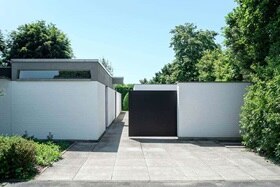
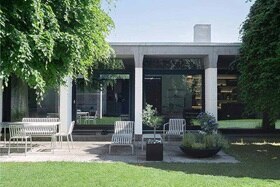
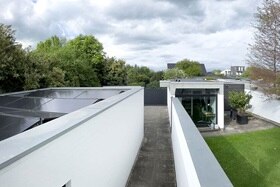
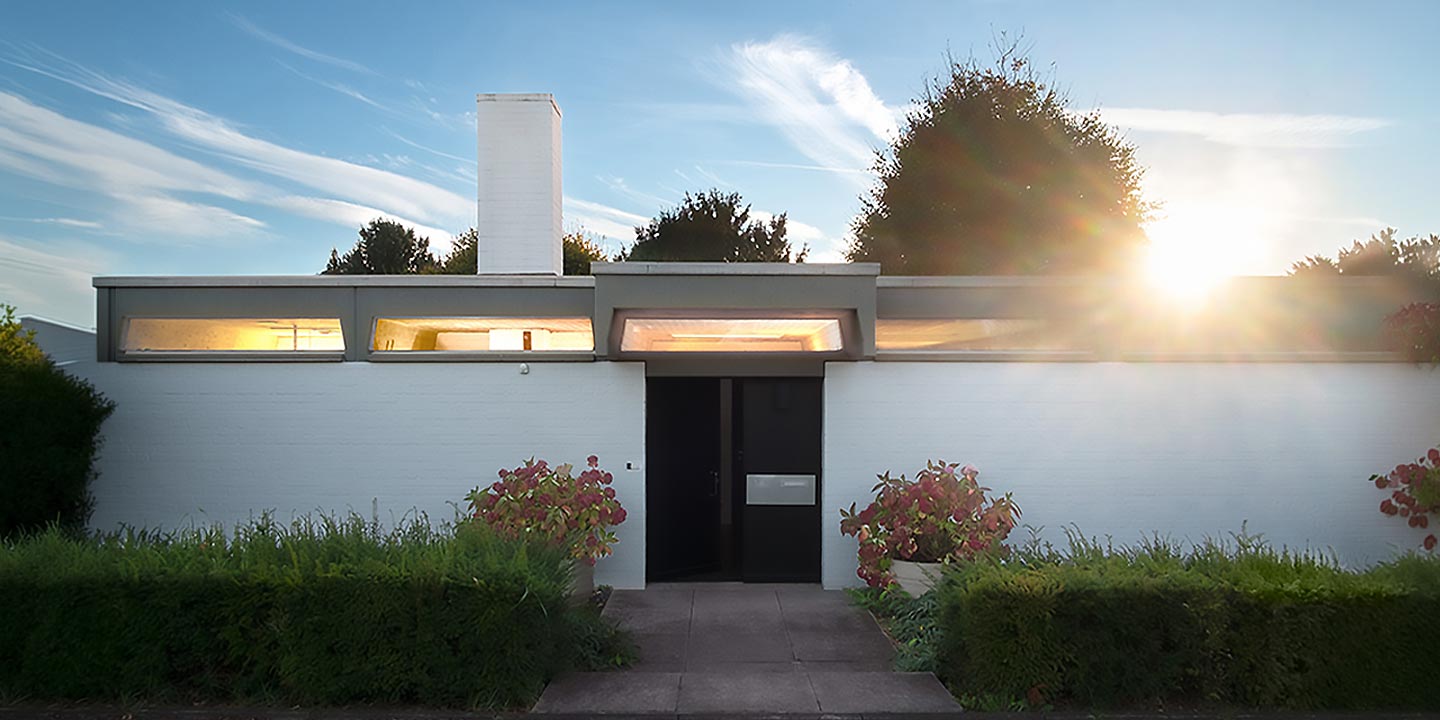
Originally designed in 1967 by architect Wolfgang Döring, habitat is more than a residential building. The protected bungalow and garden ensemble is considered an architectural landmark, making any modernisation project particularly sensitive.
When the building's owners set out to improve its energy performance in 2025, the objective was clear: introduce modern energy technologies while respecting the original design. Working within these constraints, the project team transformed the property into a living example of how heritage buildings can adapt to new energy realities.
One connected energy ecosystem
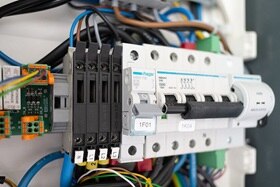
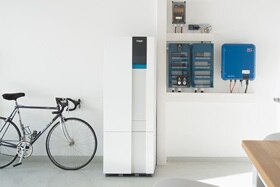
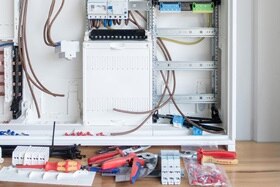
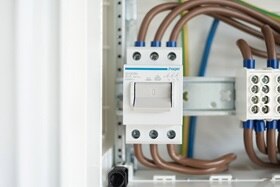
At the heart of the system is the Hager flow Energy Manager. It brings the different energy flows together and automatically coordinates generation, storage and consumption.
Technology also makes the building’s energy use tangible for its occupants and visitors. Through the flow app, an iPad provides a real-time view of how much energy is being generated, stored and consumed.
A 25 kWp photovoltaic installation supplies renewable electricity for the building, while battery storage helps maximise self-consumption. An air-to-water heat pump replaces fossil-fuel-based heating, and EV charging infrastructure supports the electrification of mobility.
Based on energy availability and demand, the Hager flow Energy Manager automatically decides where energy can be used most effectively, helping to optimise self-consumption and overall efficiency. This intelligent orchestration enabled habitat to achieve seven months of complete energy autonomy during the summer period of 2025.
It also prepares the building for the next stage of electrification. With compatible bidirectional charging technology, for example, an electric vehicle could eventually become another source of stored energy and feed electricity back into the building when needed.
"We want to show in a very practical way that a climate-friendly home is possible. We want to raise awareness of sustainable living and use our experience and long-standing relationships with industry to build bridges and share knowledge."
- Markus Schüßler, the balcony foundation
A blueprint for the energy transition in existing buildings
Much of the discussion around the energy transition focuses on new construction. But the biggest challenge - and opportunity - lies in the buildings that already exist.
The habitat project shows what is possible when energy generation, storage, heating, mobility and intelligent control are considered as one connected system that can adapt to changing demand, seasons and future technologies.
And that is ultimately what makes habitat more than a renovation project.
It demonstrates how an existing building can become an active part of the energy transition - without having to give up its history or architectural identity.